From AI Threat to AI Advantage: 8 Steps to Become the Person Who Implements AI and Thrives in 2026
Become the AI Strategist
In the rapidly evolving landscape of 2026, artificial intelligence isn't just a buzzword—it's a transformative force reshaping industries worldwide.

Human and AI working together — the future of work
As AI automates routine tasks, the key to job security lies in positioning yourself as the innovator who harnesses these tools, rather than the worker displaced by them. Drawing from real-world experiences and expert insights, this article outlines practical tips to help you transition from potential AI casualty to AI champion.
1. Start with the Basics: Learn AI Fundamentals
Begin by familiarizing yourself with accessible AI tools like ChatGPT, Claude, or Midjourney. You don't need a computer science degree—many resources offer free courses on platforms like Coursera or YouTube. Focus on understanding how these tools can automate repetitive parts of your job, such as data analysis or content generation. Dedicate 30 minutes a day to experimenting, and soon you'll see efficiency gains that make you indispensable.
2. Integrate AI into Your Daily Workflow
Identify tasks in your role that are time-consuming yet rule-based, and experiment with AI to streamline them. For instance, use AI for drafting emails, generating reports, or even coding snippets if you're in tech. Proactively suggest AI-driven improvements to your team, demonstrating initiative and reducing costs. This not only boosts your productivity but positions you as a forward-thinker in performance reviews.
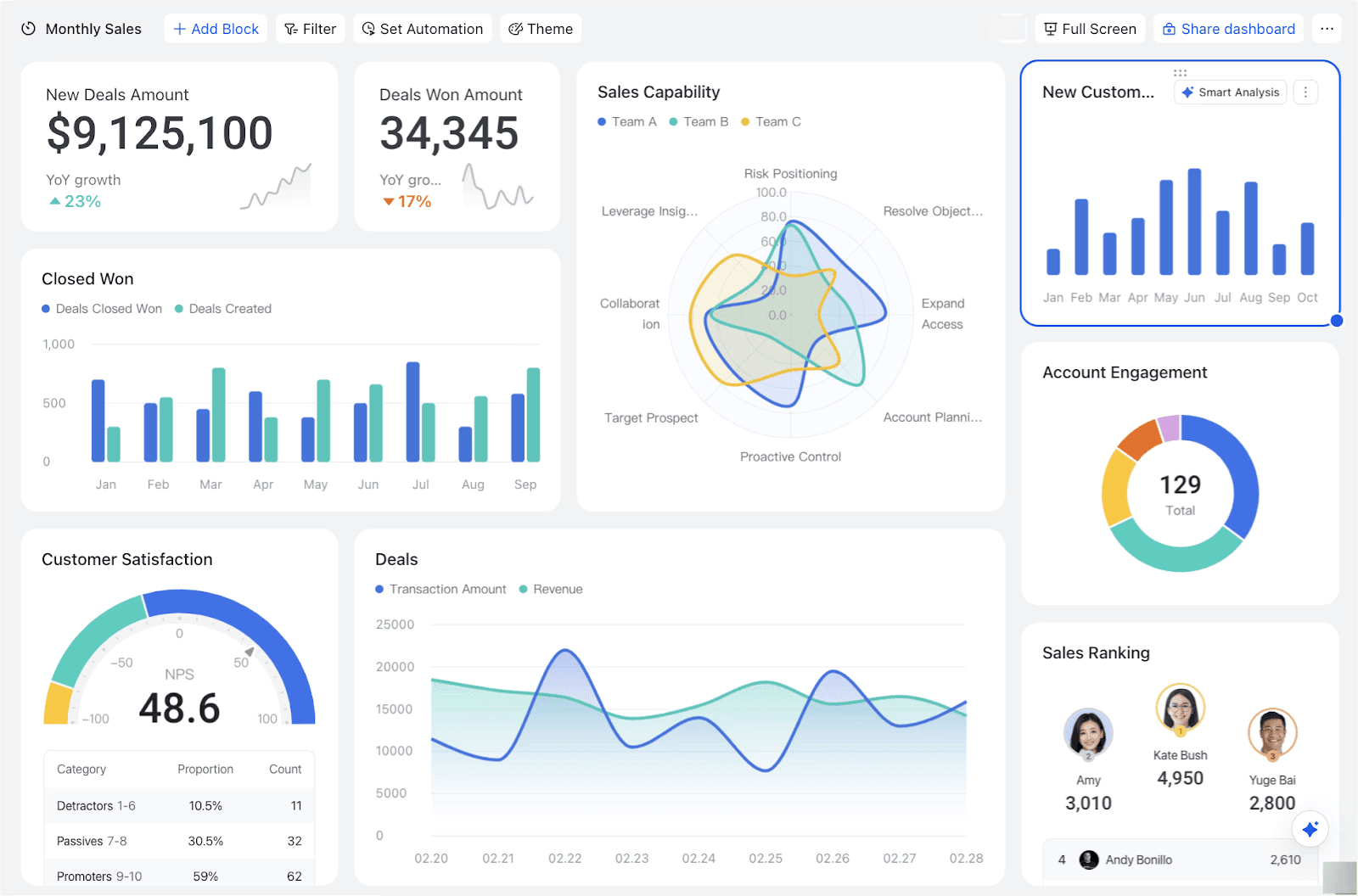
Example of an AI-powered dashboard for workflow optimization
3. Upskill in AI Implementation Skills
Consider certifications or bootcamps focused on AI integration, such as those for prompt engineering or no-code AI platforms. Stories abound of professionals who, after losing jobs to AI, pivoted to implementing these systems for others, tripling their income in the process. Explore roles like AI overseer or workflow optimizer, where you monitor and refine AI outputs to ensure accuracy.
4. Cultivate Human-Centric Skills
While AI excels at data processing, it falls short in creativity, empathy, and leadership. Hone these by leading projects that combine AI with human insight, such as using AI-generated ideas as a springboard for innovative solutions. Remember, the future belongs to those who treat AI as a partner, not a replacement.
5. Build Side Projects and Experiment
Launch personal projects that leverage AI, like an automated content creator or a predictive analytics tool for your hobby. This hands-on experience builds your portfolio and teaches you to deploy AI for real problems, a skill highly valued in growing AI startups. Share your creations on platforms like LinkedIn to attract opportunities.
6. Network and Stay Informed
Join AI communities on Reddit, LinkedIn, or X to learn from peers. Attend webinars or conferences on AI trends. Experts emphasize exploring how AI might evolve your role and proactively adapting through continuous learning. Networking can lead to collaborations or job offers in AI implementation.
7. Adopt Early and Iterate
Be an early adopter: test new AI features and iterate based on results. This mindset ensures you're always ahead, turning potential threats into superpowers. Even if your current job shrinks teams due to AI, your expertise will make you the one retained or promoted.

Advanced AI dashboard showing performance metrics and insights
8. Prepare for Reinvention
If automation hits your field, reinvent by transitioning to AI-related roles like trading AI solutions or gatekeeping ethical AI use. Retraining programs can bridge the gap, turning displacement into a launchpad for higher earnings.
By implementing these tips, you'll not only safeguard your career but thrive in an AI-driven world. The choice is yours: adapt and lead the change, or risk being left behind. Start today—your future self will thank you.


Comments
Post a Comment